Empowering Cross-Border Collaboration: Ethiopia–Kenya BBOLD Platform Advances Its Operational Framework and Five-Year Strategic Plan
How can organisations operating across two countries, with different mandates and diverse communities, work together to advance humanitarian, development, and peace outcomes?
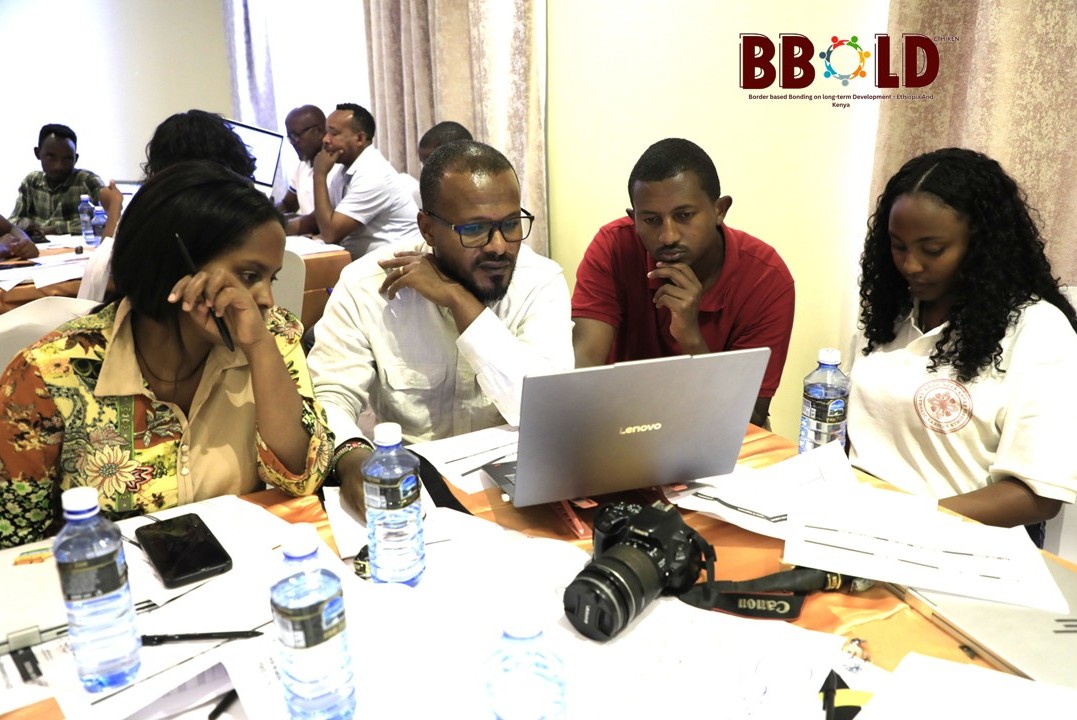
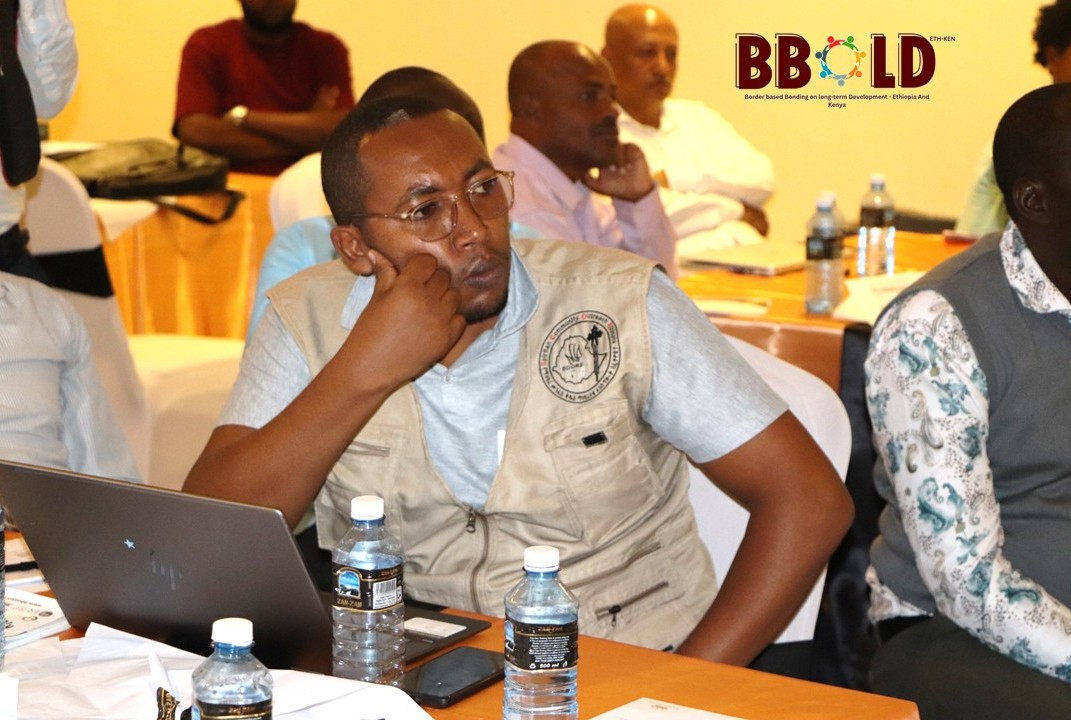
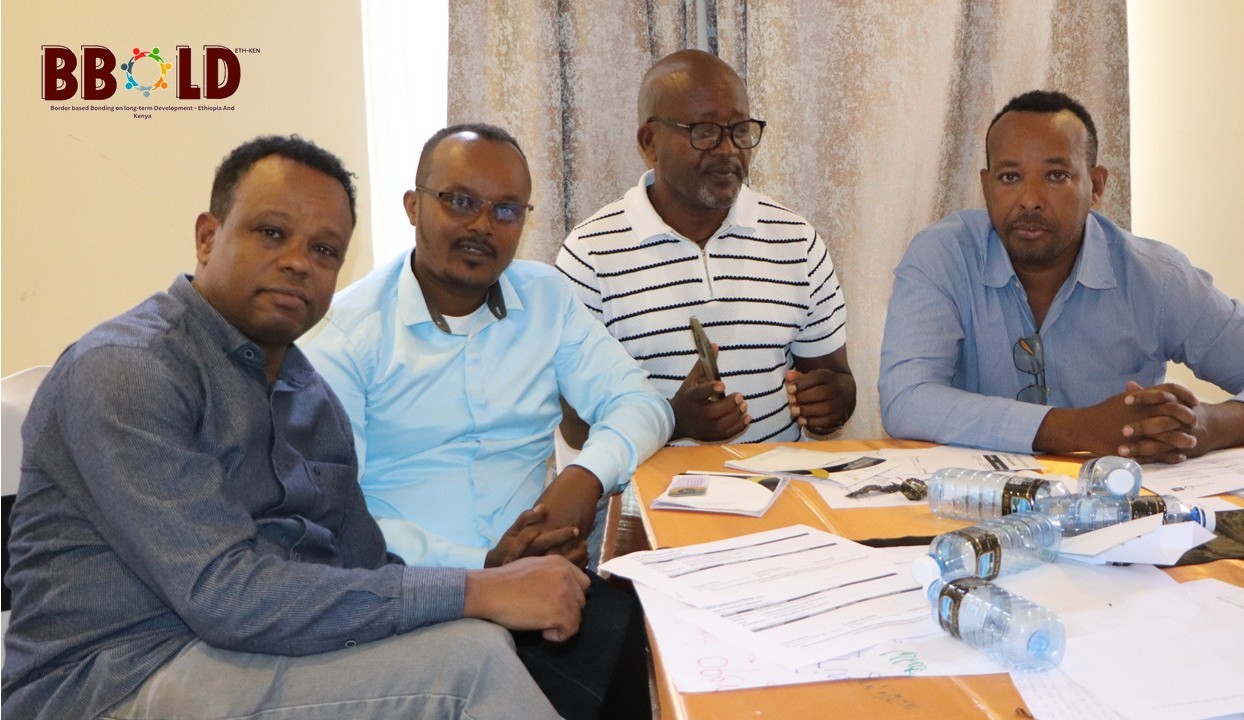
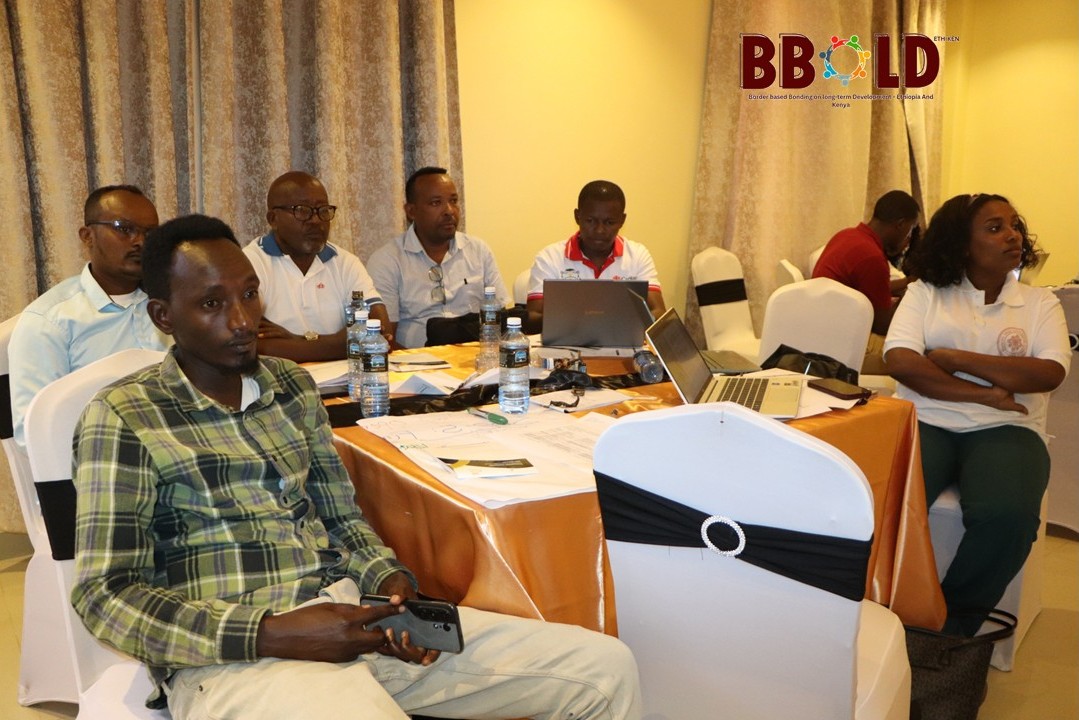
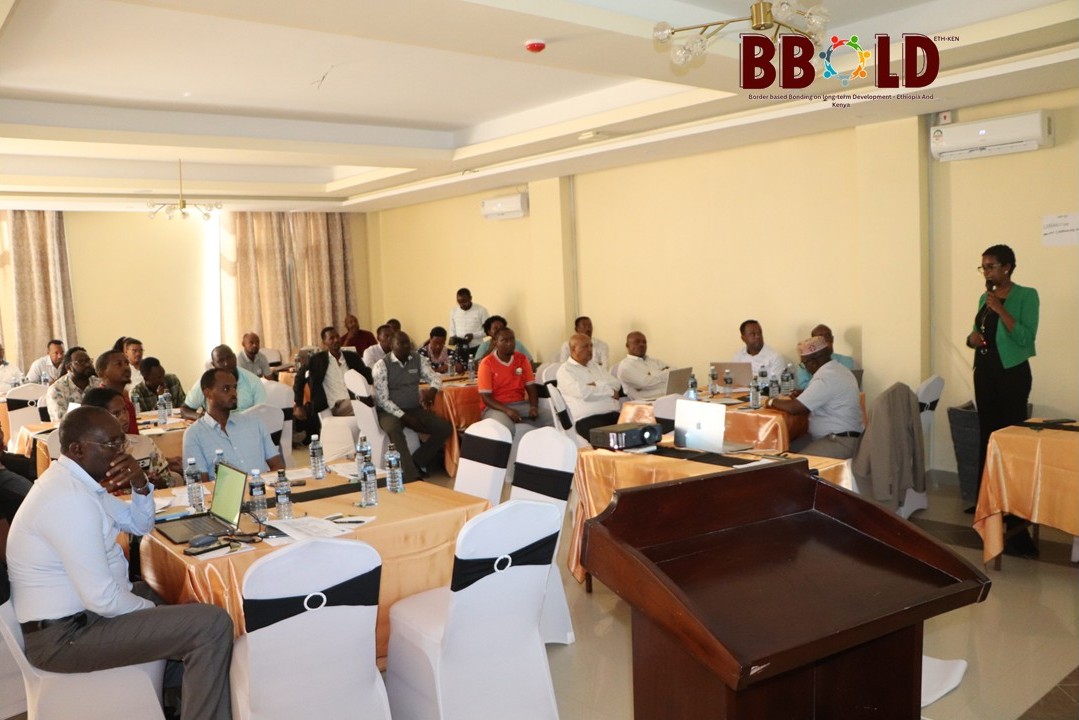
This question was at the heart of a three-day participatory co-design workshop held in Moyale, Marsabit County, Kenya, from 21 to 23 October 2026. Approximately 50 stakeholders from Ethiopia and Kenya gathered to strengthen the institutional foundations, governance systems, and long-term strategic direction of the Border Based Bonding on Long-Term Development (BBOLD) Platform.
The Moyale workshop was a collective investment in the systems, relationships, and shared responsibilities needed to make cross-border collaboration more coherent, inclusive, accountable, and sustainable.
Convened by Catholic Caritas Ethiopia–SCORE, Caritas Lodwar, and Caritas Marsabit, and facilitated by Global Path Research and Analytics (GPRA), the workshop brought together government institutions, civil society organisations, research and academic institutions, and development partners.
Partners drafted four foundational documents: Standard Operating Procedures (SOPs), a Governance Manual, a Communication Strategy, and a Five-Year Integrated Strategic Development Plan for 2026–2030.
Three days, one shared direction
Day one
Clear operational procedures
Participants co-developed six SOPs covering platform management, secretariat operations, partner coordination, MEAL, financial management, and knowledge management.
Day two
Governance and communication
Eight governance chapters and a communication strategy addressed trust, transparency, accountability, safeguarding, language barriers, representation, and balanced visibility.
Day three
A strategic direction for 2026–2030
The group co-created a shared vision, Theory of Change, five strategic pillars, a results framework, implementation roadmap, and resource mobilisation priorities.
The final day also featured experience sharing from four Area Technical Working Groups. Their achievements, challenges, and lessons helped ground the strategic planning process in field realities and connect local priorities with BBOLD’s broader cross-border ambitions.
The Regional Technical Working Group
The workshop concluded with the formation of a nine-member Regional Technical Working Group (RTWG) to review, refine, and support validation of the four draft documents through BBOLD’s governance bodies.
Kenya
Local and national perspectives
Two seats each are proposed for NGOs, government, and academia across the partnership, with representation including Strategies for Northern Development, NDMA Turkana, Turkana University, and the Moyale Chamber of Commerce.
Ethiopia
Peace, research, and civil society
Proposed members include Action for Development, the relevant Peace and Security Office, Borana University, and one additional member to be confirmed. Mr. Daniel H/Meskel of Catholic Caritas-SCORE will coordinate the group.
This balanced structure brings together civil society, government, academia, and private-sector perspectives from both countries. It is designed to keep momentum beyond the workshop and move shared commitments toward practical, accountable institutional frameworks.
From shared challenges to coordinated action
By strengthening operational procedures, clarifying governance arrangements, improving communication, and aligning partners around shared priorities, BBOLD aims to reduce duplication, improve information sharing, promote evidence-informed decision-making, and coordinate responses to the interconnected challenges facing communities along the Ethiopia–Kenya borderland.
The process builds on the platform’s wider work to support peacebuilding, resilient livelihoods, climate adaptation, food security, and meaningful participation by women, youth, and local communities. Read more about BBOLD’s earlier cross-border networking forum in Moyale and the Borana Area Technical Working Groups’ partnership-building work.
As the draft frameworks move towards review and validation, the priority is to turn shared commitments into coordinated action, clear institutional accountability, and measurable results.
BBOLD extends its sincere appreciation to all participating institutions, government representatives, civil society organisations, researchers, technical specialists, and partners. Together, stakeholders are building stronger partnerships and a more peaceful, resilient, and prosperous Ethiopia–Kenya borderland.
Photo Gallery