Stronger Together: Borana Partners Unite to Build Lasting Peace and Sustainable Development
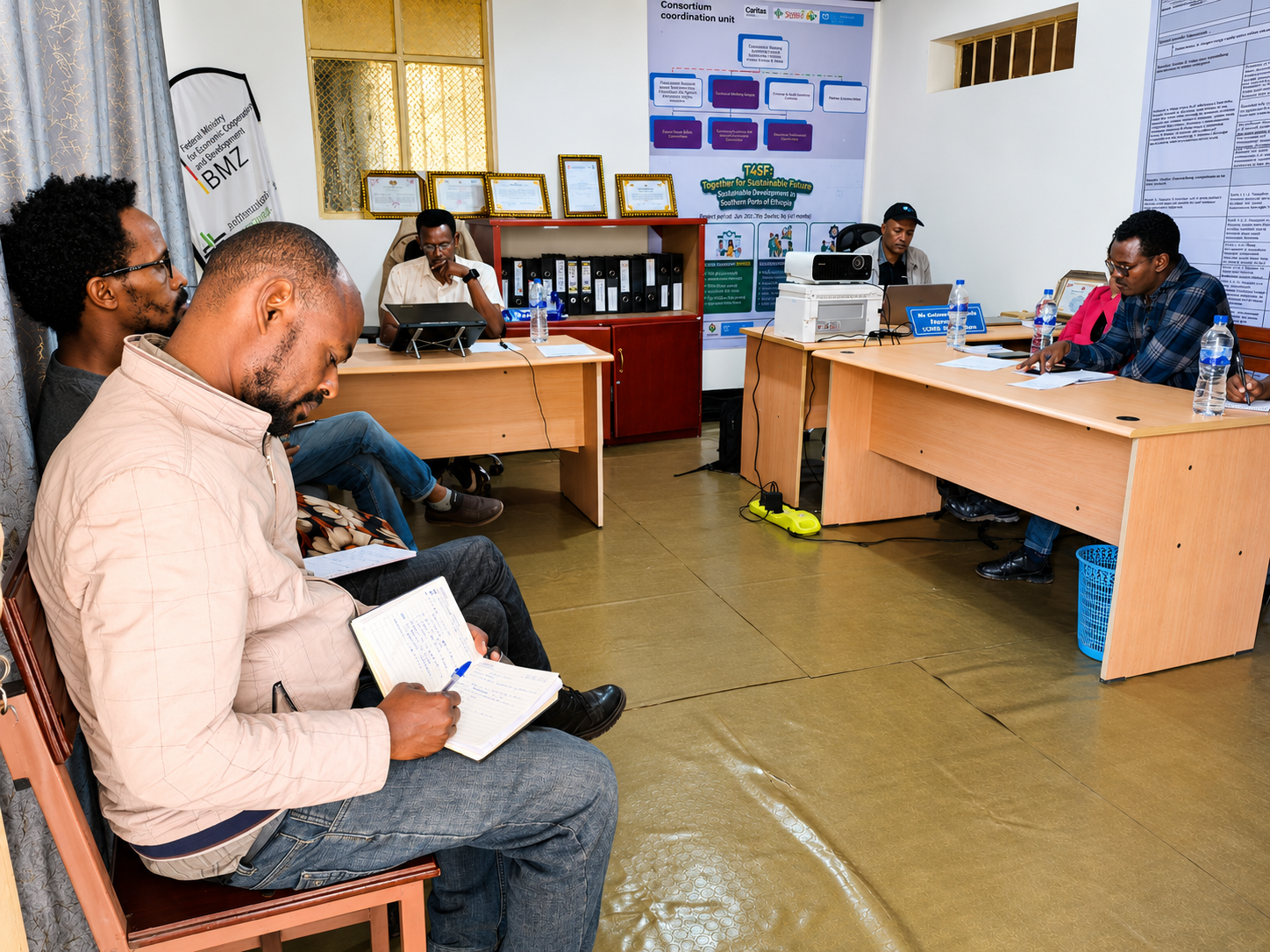
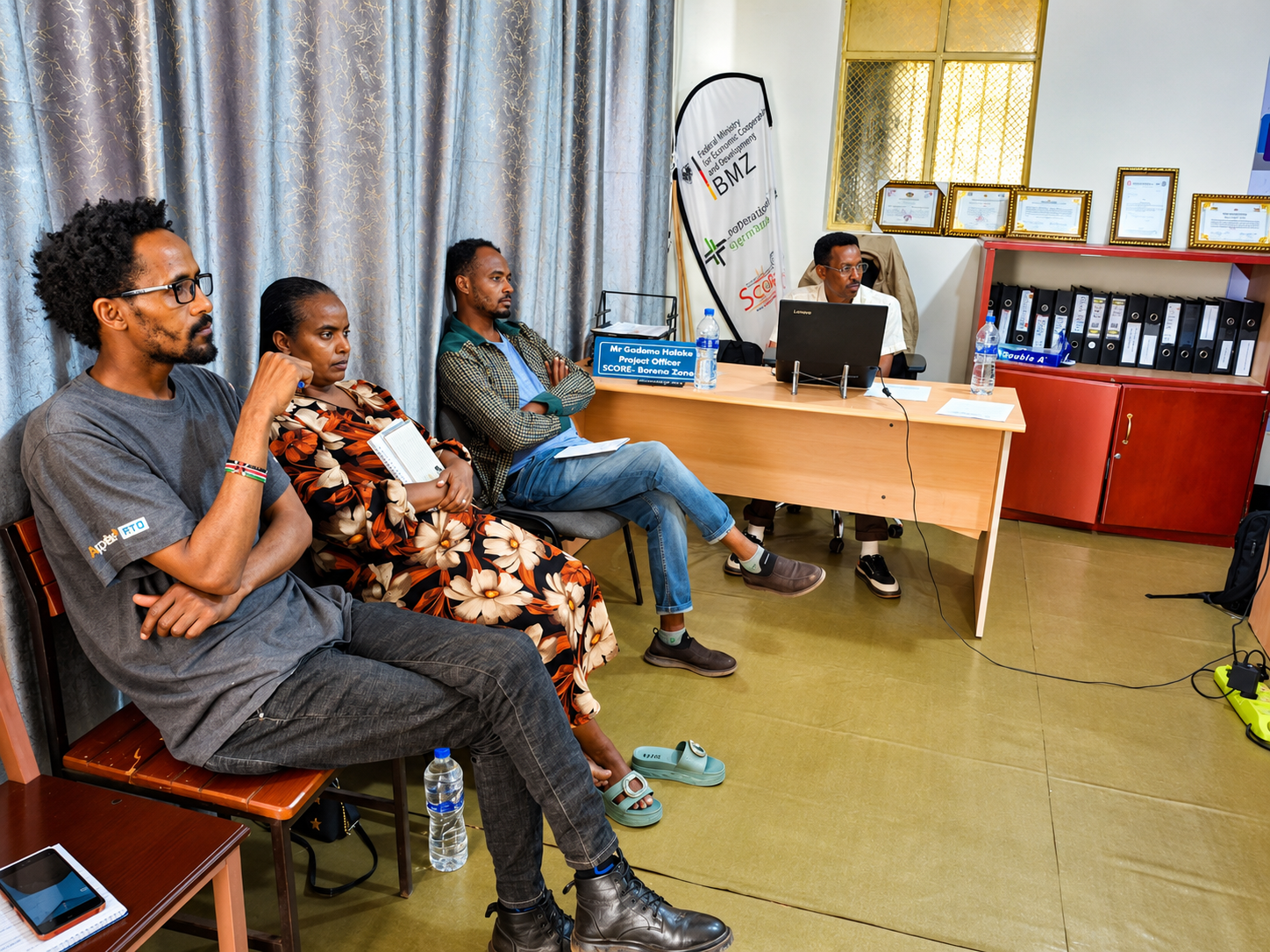
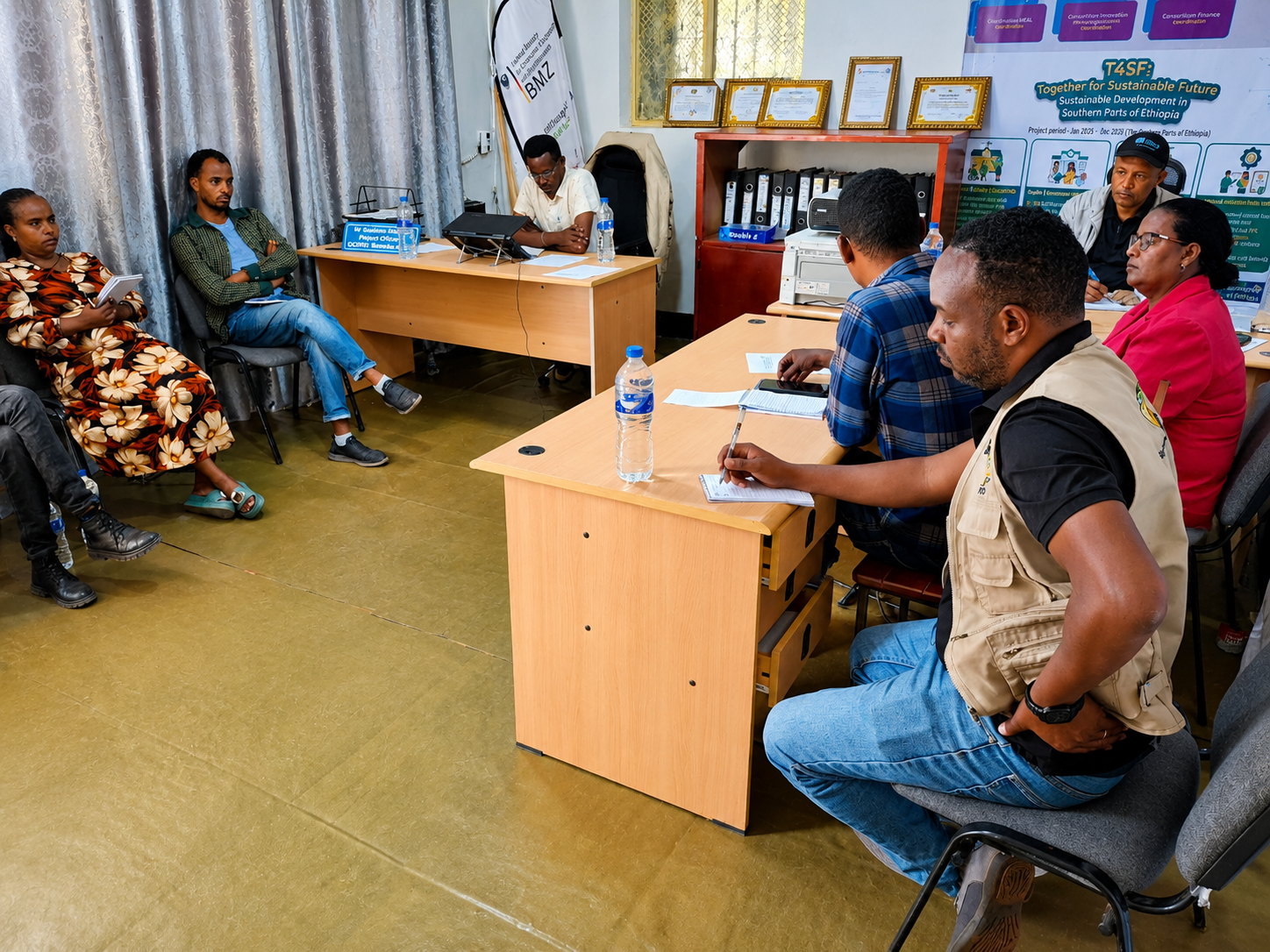
When organizations work in isolation, opportunities are often missed. But when they come together around a shared vision, they can create lasting change. That spirit of partnership was on full display as members of the Borana Area Technical Working Groups (A-TWGs) gathered in Yabello for their quarterly meeting under the Ethio–Kenya HDP/BBOLD Platform.
Bringing Stakeholders Together
Representatives from government institutions, academia, civil society organizations, and development partners met to reflect on progress, strengthen collaboration, and chart a collective path forward for sustainable development across the Borana cross-border region. The meeting brought together experts and practitioners from Borana University, Action for Development (AFD), CIFA, the Borana Zone Agriculture Office, the Borana Zone Finance and CSOs Coordination Office, Gayo Pastoral Development Initiative (GPDI), and SCORE, each contributing unique perspectives and experiences.
The meeting opened with a reminder that the Technical Working Groups are more than a coordination mechanism—they are a platform for collective leadership. Participants reaffirmed their shared responsibility to promote peacebuilding, climate resilience, and inclusive development that responds to the realities of pastoralist communities.
Celebrating Peacebuilding Success
One of the meeting's most celebrated achievements was the successful Peacebuilding Training of Trainers (ToT) facilitated by Borana University with support from SCORE. The training equipped members with practical skills to strengthen social cohesion, promote peaceful coexistence, and apply conflict-sensitive approaches in communities where cross-border tensions can undermine development efforts. By investing in local capacity, the initiative is helping ensure that peacebuilding becomes an integral part of everyday development programming rather than a stand-alone activity.
Supporting Girls' Education
Another highlight was a joint assessment visit to the Borana Female Pastoralist Hostel, a residence established to support girls from remote pastoralist communities in pursuing higher education. While the visit revealed inspiring determination among the students, it also exposed significant challenges affecting their wellbeing and academic success. Participants identified inadequate security, food insecurity, outdated learning resources, non-functional ICT facilities, and poor sanitation as urgent concerns requiring coordinated action.
The assessment quickly translated into practical commitments. Action for Development pledged to provide textbooks and educational materials, while discussions among partners focused on mobilizing additional support to improve the learning environment. The issue also gained visibility during the visit of the BMZ and SOH delegation to the SCORE Branch Office, where participants emphasized that investing in girls' education is an investment in stronger, healthier, and more resilient pastoralist communities.
Strengthening Collaboration
Beyond celebrating successes, members openly reflected on the challenges that continue to limit effective collaboration. One key concern was the limited sharing of organizational achievements and lessons through the A-TWG communication platform. Participants agreed that stronger communication and regular knowledge exchange are essential to avoid duplication, maximize available resources, and build on one another's successes.
Commitments for Action
Looking ahead, the Technical Working Groups committed to several practical actions that will deepen collaboration. These include strengthening joint planning, sharing vehicles and fuel during field missions to address logistical challenges, organizing learning visits to community projects such as the Magado Veterinary Clinic, and aligning peacebuilding efforts with the existing IGAD Peace Corridors to reinforce rather than duplicate regional peace structures.
Members also reaffirmed their commitment to serve as ambassadors of the Ethio–Kenya HDP/BBOLD Platform by promoting its vision, sharing its achievements, and participating in community events that foster peace, dialogue, and social cohesion. Supporting Community Animal Health Workers through future resource mobilization was identified as another important priority that will contribute to more resilient livelihoods across pastoralist communities.
A Message of Hope
As the meeting concluded, one message stood out clearly: sustainable development cannot be achieved by individual organizations acting alone. It requires trust, shared learning, coordinated action, and a collective commitment to the people and communities they serve.
With Gayo Pastoral Development Initiative set to host the next quarterly meeting, the Borana Area Technical Working Groups continue to demonstrate how collaboration can transform ideas into action, strengthen institutions, and create lasting impact across the Ethio–Kenya borderlands.
At BBOLD Africa, we believe that meaningful change begins with partnership. The continued commitment of the Borana Area Technical Working Groups reflects the power of local leadership, collective action, and shared responsibility in building peaceful, resilient, and thriving pastoralist communities.
Photo Gallery