Featured story · knowledge transfer
Regional & Cross-border HDP Research and Knowledge Transfer Workshop Concludes at Borana University
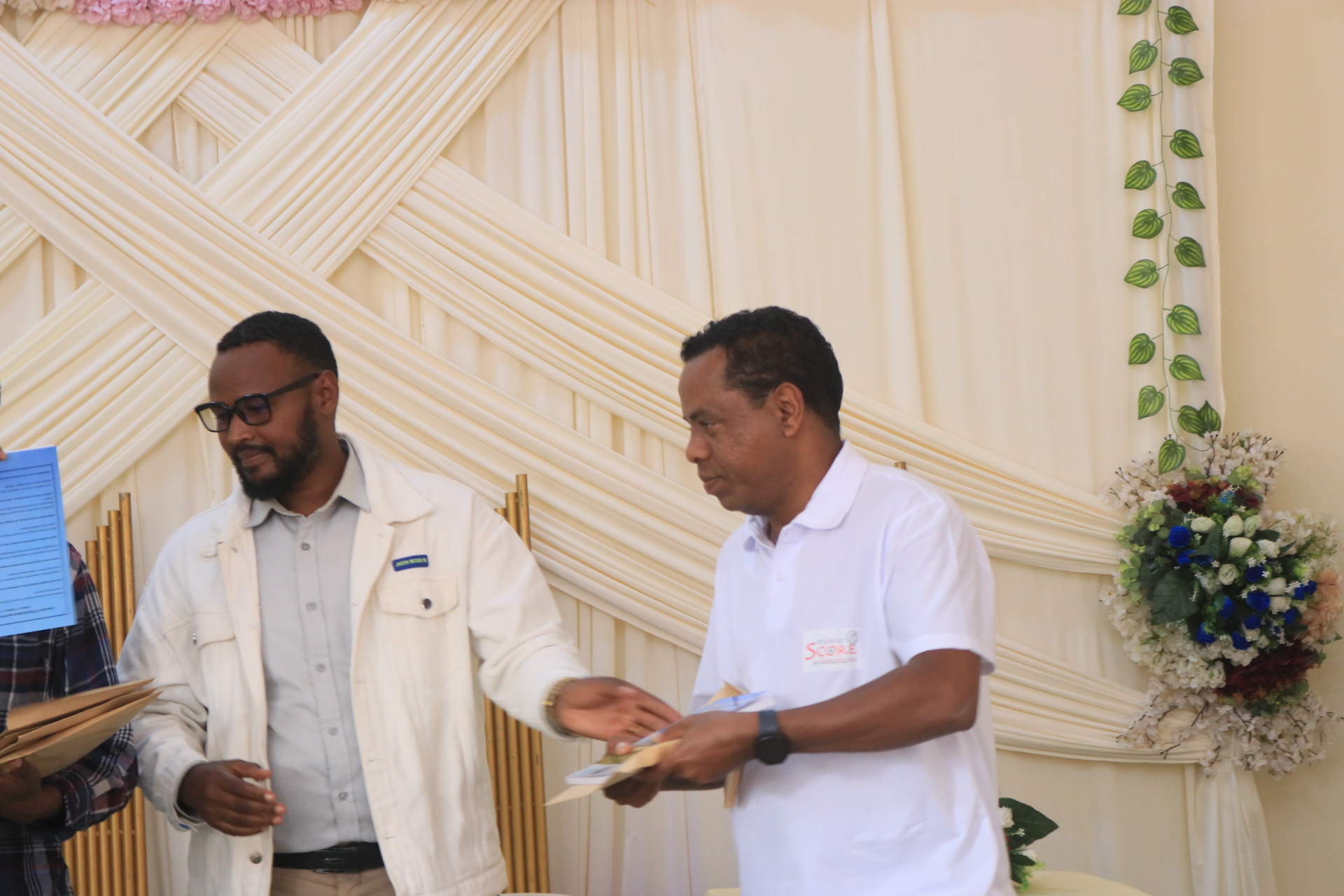
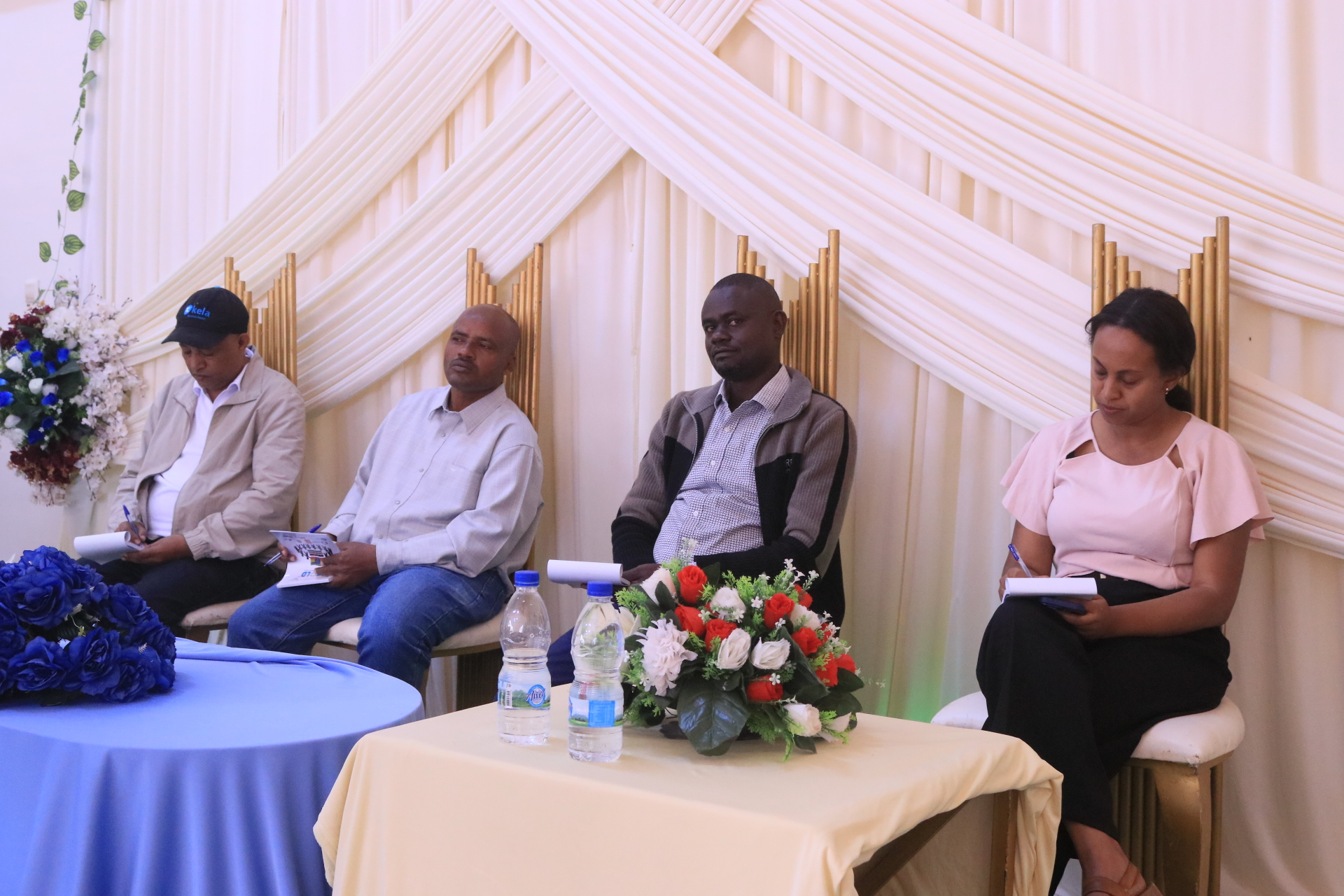
A two-day Regional & Cross-border Humanitarian, Development and Peace (HDP) Research and Knowledge Transfer Workshop was held at Borana University in Yabello, bringing together researchers, practitioners, government representatives, and partners from Ethiopia and Kenya.
The workshop created an important space for sharing findings, practical experiences, innovations, and lessons learned while strengthening collaboration across the Ethiopia–Kenya borderlands. Discussions focused on peace and security, climate resilience, pastoral livelihoods, livestock production and trade, natural resource management, food security, and cross-border cooperation.
Opening and Institutional Reflections
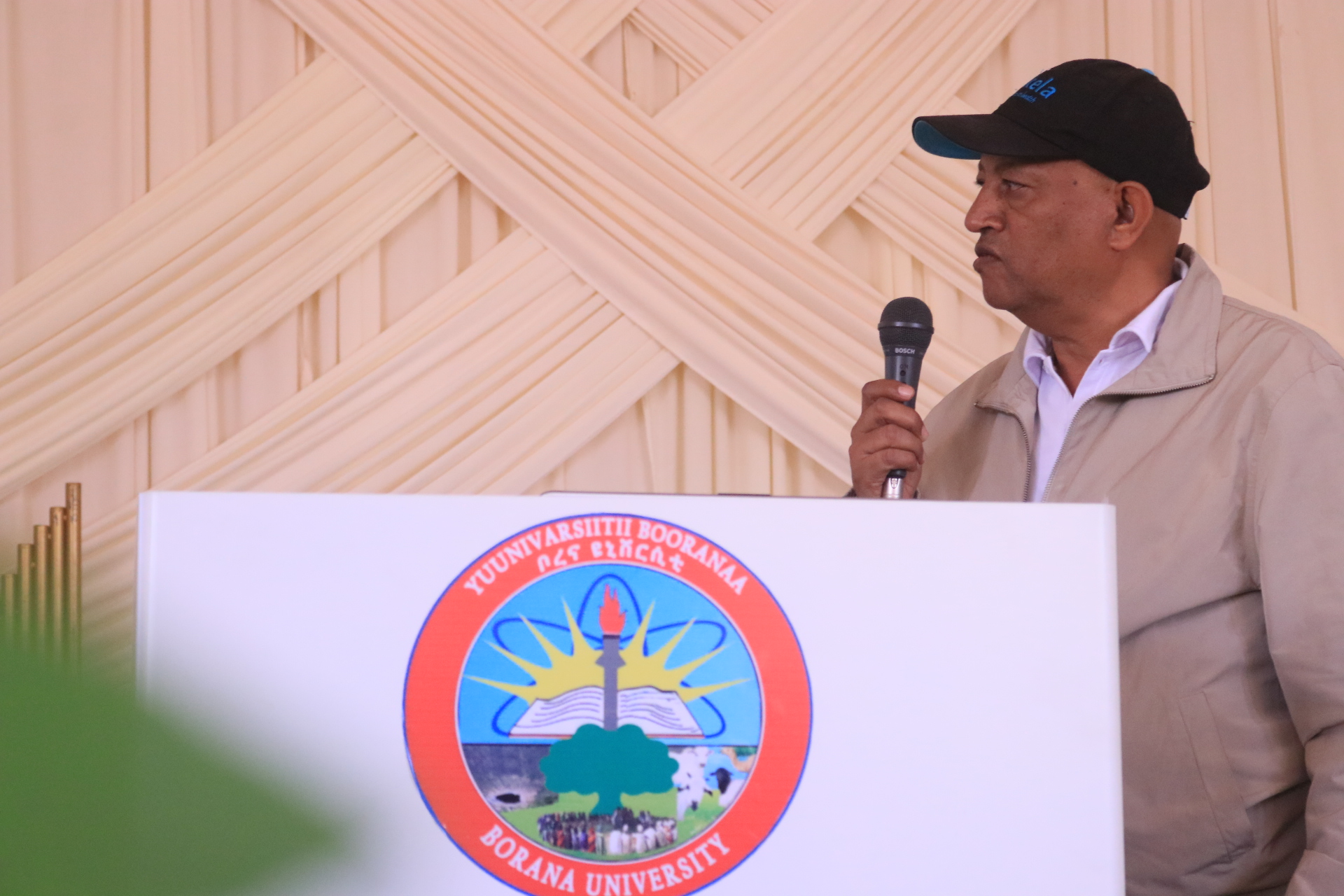
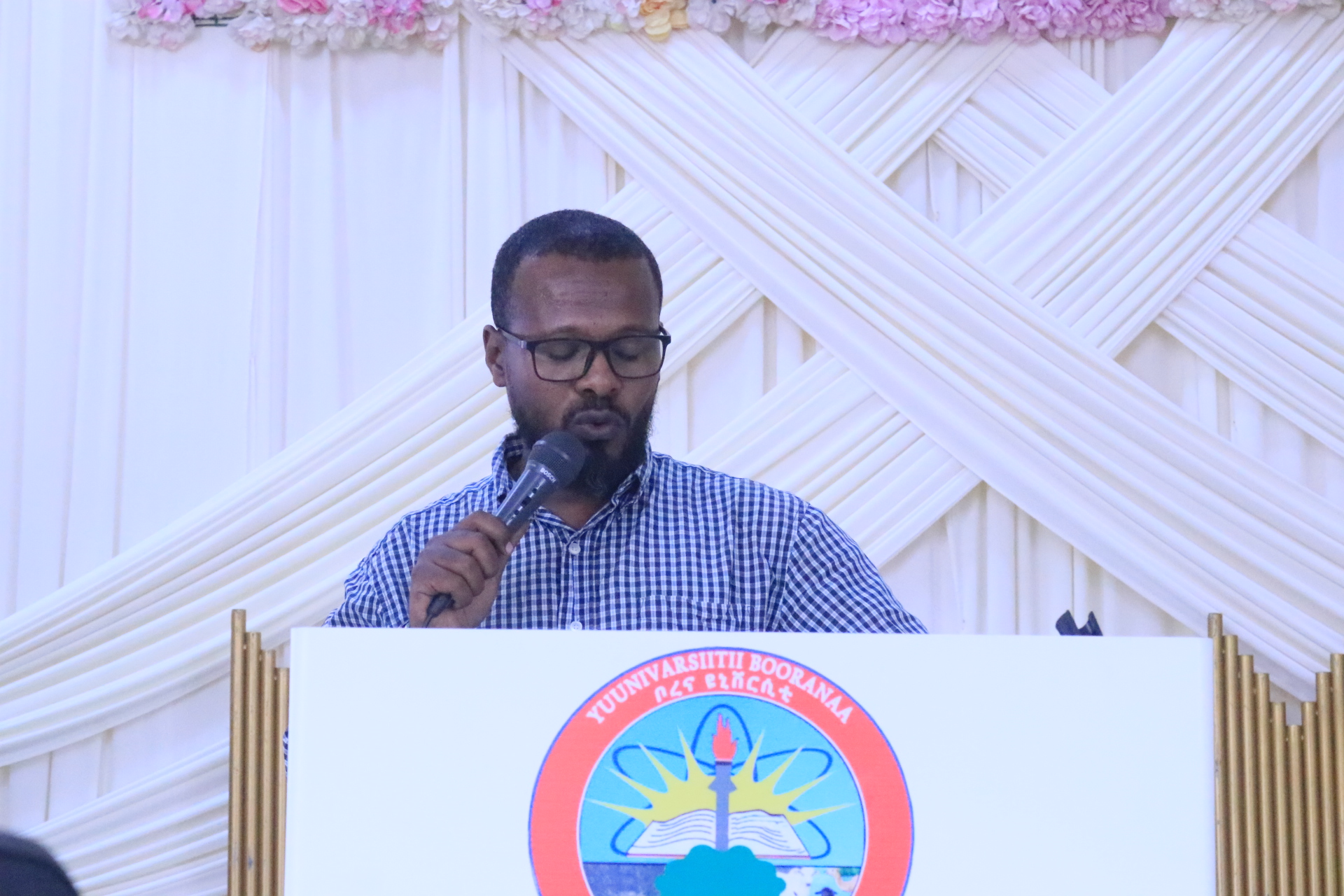
The workshop opened with a prayer and remarks by Father Kilimpe, Spiritans Superior in Ethiopia, who highlighted the background and mission of the Spiritans Congregation and its commitment to serving communities. A traditional coffee blessing ceremony led by community elders provided an opportunity to recognize and celebrate local culture and community ownership. Dr. Galma, Vice President for Academic and Research Affairs of Borana University, welcomed participants and highlighted the importance of research, knowledge sharing, and partnerships in addressing complex challenges affecting communities in the borderlands. Mr. Mammo Berisso, Director of Catholic Caritas Ethiopia–SCORE, also delivered opening remarks, emphasizing the importance of collaboration among academic institutions, government, civil society, and development partners.
Research, Evidence and Experience Sharing
A range of presentations throughout the two days highlighted research findings and practical experiences relevant to the borderland context. Mr. Aregahegn Petros, SCORE MEAL Manager, presented SCORE's operational focus areas in Ethiopia and shared insights from the evaluation of the Multi-Actor Partnership (MAP) and the BBOLD (Border-Based Bonding on Long-Term Development) platform, highlighting the importance of multi-stakeholder collaboration in addressing cross-border challenges. Research presentations from Borana University explored livelihood diversification among pastoral communities. Mr. Jatani presented on livelihood diversification strategies and their impact on pastoral food security in Dubluk District, while Mr. Roba presented research on the determinants of livelihood diversification strategies in pastoralist areas of Borana Zone, with a focus on Gamole District. The workshop also featured research and technical presentations on cross-border livestock trade, pastoral livelihoods, climate-resilient agriculture, livestock marketing, and natural resource management. Dr. Asfaw from Ambo University presented on the historical evolution and economic implications of cross-border livestock trade in Ethiopia and its relevance to pastoral livelihoods. Mrs. Rufo from Caritas Marsabit shared experiences on livestock marketing in cross-border areas, while Mr. Daniel from Catholic Caritas Ethiopia–SCORE shared experience from the Magado Veterinary Clinic, highlighting the importance of accessible animal health services for pastoral communities. Dr. Tekle from Jinka Research Center presented on the large-scale demonstration of lowland crop and forage technologies in South Omo Zone, emphasizing opportunities for improving food and livestock production in lowland and pastoral areas. The workshop also explored community-based approaches to economic resilience. Mrs. Metasebia from Catholic Caritas Ethiopia–Soddo shared experience and lessons from the implementation of Village Savings and Loan Associations (VSLAs).
Climate Resilience, Peace and Social Cohesion
Climate change, environmental pressure, conflict, and competition over natural resources remain interconnected challenges in the Ethiopia–Kenya borderlands. The workshop therefore placed strong emphasis on locally led approaches to climate resilience and peacebuilding. Dr. Miriti Gervasio from Turkana University presented on “Driving Locally Led Innovation for Climate Resilience and Sustainable Peace: The Strategic Role of Academic Institutions in Fostering Ethnic Coexistence Across the Ethiopia–Kenya Borderlands.” The presentation emphasized the important role that universities and research institutions can play in generating evidence, supporting innovation, strengthening local capacities, and promoting peaceful coexistence. Dr. Galgalo from Borana University presented on the drivers of instability and natural resource-sharing challenges in Borana Zone, Ethiopia, and Marsabit County, Kenya, highlighting the need for collaborative approaches to shared resources and cross-border challenges. Dr. Kamar from Caritas Lodwar shared perspectives on conflict and dispute resolution in cross-border areas, reinforcing the importance of dialogue, local peace mechanisms, and collaboration among communities and institutions. The Secretary of the Ethiopia–Kenya Joint Cross-Border Peace Committee also emphasized the critical importance of maintaining peace along the border and called for stronger joint efforts and collaboration to promote peaceful coexistence among communities on both sides of the border.
Conservation Agriculture and Resilient Livelihoods
The workshop further explored practical approaches for strengthening food security and resilience. Mr. Tesfaye from Hailemariam & Roman Foundation (HRF) presented on conservation agriculture as a climate-resilient farming practice for improved food security, highlighting the potential of sustainable agricultural practices to strengthen household resilience in the face of climate-related shocks. During the presentations and discussions, participants recognized the importance of combining research, local knowledge, innovative practices, and community-led solutions to strengthen livelihoods and resilience in vulnerable borderland communities.
Strengthening the BBOLD Platform and Cross-border Coordination
A significant part of the workshop focused on strengthening the BBOLD platform as a mechanism for knowledge sharing, collaboration, and long-term cross-border development. Mr. Daniel from SCORE presented an update on the progress of the BBOLD initiative, while Dr. Natnael from SCORE presented the platform's proposed next steps and outlined key activities for the BBOLD Communications Team, particularly around communication, visibility, knowledge management, information sharing, and digital engagement. The workshop also established leadership for the BBOLD Communications Team, with Dr. Natnael from SCORE selected as Chairperson and Mr. Dennis from Caritas Marsabit selected as Secretary. The formation of the communications structure is expected to strengthen coordinated communication and visibility of the platform's work and facilitate wider sharing of knowledge and learning generated through the partnership.
Area Technical Working Groups and Actionable Recommendations
The workshop provided an opportunity for four Area Technical Working Groups (A-TWGs) to share experiences and reflect on progress, challenges, and opportunities for stronger coordination.
Diverse Partnership and Participation
A two-day Regional & Cross-border Humanitarian, Development and Peace (HDP) Research and Knowledge Transfer Workshop was successfully held at Borana University in Yabello, Borana Zone, bringing together researchers, humanitarian and development practitioners, government representatives, and other stakeholders from Ethiopia and Kenya. The workshop provided an important platform for sharing research findings, practical experiences, innovations, and lessons learned, while strengthening collaboration and knowledge exchange among actors working across the Ethiopia–Kenya borderlands. Discussions focused on shared challenges and opportunities related to peace and security, climate resilience, pastoral livelihoods, livestock production and trade, natural resource management, food security, and cross-border cooperation. Participants and partner institutions included: • Catholic Caritas Ethiopia – SCORE • Catholic Caritas Ethiopia – Soddo • Borana University • Jinka Research Center • Caritas Marsabit • Caritas Lodwar • Center for Research and Development in Drylands (CRDD) • Care Ethiopia from Yabello • Goal Ethiopia from Yabello • Plan Ethiopia from Yabello • Hailemariam & Roman Foundation (HRF) • Ambo University • Turkana University • Government representatives from Ethiopia and Kenya • Ethiopia–Kenya Joint Cross-Border Peace Committee members and other relevant stakeholders The diversity of participants created an important space for connecting research, policy, community experience, and development practice.
Actionable Recommendations for Strengthening Cross-Border Development Initiatives
The actionable recommendations for strengthening cross-border development initiatives, policies, coordination mechanisms, and integrated programming were compiled from the discussions and reflections of all participants and presenters, summarized by Mr. Rajesh Mosoti of Caritas Marsabit. The recommendations emphasize the need for stronger institutional linkages, improved information and knowledge sharing, coordinated planning and implementation, harmonized cross-border policies and approaches, and greater engagement of local communities, government institutions, universities, civil society organizations, and other relevant stakeholders throughout the HDP/BBOLD Platform. Key recommendations include: • Strengthen institutional linkages and collaboration among cross-border government institutions, universities, CSOs, development partners, and local structures. • Establish effective mechanisms for regular information, data, research, and knowledge sharing across borders. • Promote joint and coordinated planning, implementation, monitoring, and learning for cross-border HDP interventions. • Strengthen the participation and ownership of local communities, traditional leaders, women, youth, and other marginalized groups. • Improve coordination and policy harmonization between Ethiopian and Kenyan institutions to address shared cross-border challenges. • Promote evidence-based and locally led programming that responds to the priorities and realities of border communities. • Strengthen the role of the HDP/BBOLD Platform as a mechanism for coordination, knowledge exchange, joint learning, policy dialogue, and cross-border collaboration. • Develop sustainable mechanisms for institutionalizing successful cross-border initiatives, lessons learned, and good practices beyond individual projects.
A Shared Commitment to Cross-border Collaboration
Finally, the two-day workshop concluded with closing remarks from Dr. Galma, Vice President for Academic and Research Affairs of Borana University, highlighting the importance of continued collaboration and knowledge exchange, with a shared commitment to strengthening cross-border cooperation, promoting peaceful coexistence, building resilient livelihoods, and advancing sustainable development across the Ethiopia–Kenya borderlands. The event demonstrated that sustainable solutions to complex borderland challenges require continued collaboration among communities, government institutions, universities and research centers, humanitarian and development organizations, and other partners. Strengthening these partnerships and ensuring that local knowledge and priorities remain at the center of programming will be essential for building resilient, peaceful, and prosperous borderland communities.
Appreciation to Partners and Donors
The organizers express their sincere appreciation to all participating institutions, researchers, government representatives, community representatives, and development and humanitarian actors for their valuable contributions, active participation, and commitment to knowledge sharing. The initiative was supported by Sign of Hope (Hoffnungszeichen) and financed by BMZ – the German Federal Ministry for Economic Cooperation and Development. Their continued support has been instrumental in creating a platform for research, learning, partnership building, and cross-border collaboration. The workshop marks an important step toward stronger evidence-based collaboration and locally led solutions for peace, resilience, and sustainable development across the Ethiopia–Kenya borderlands.
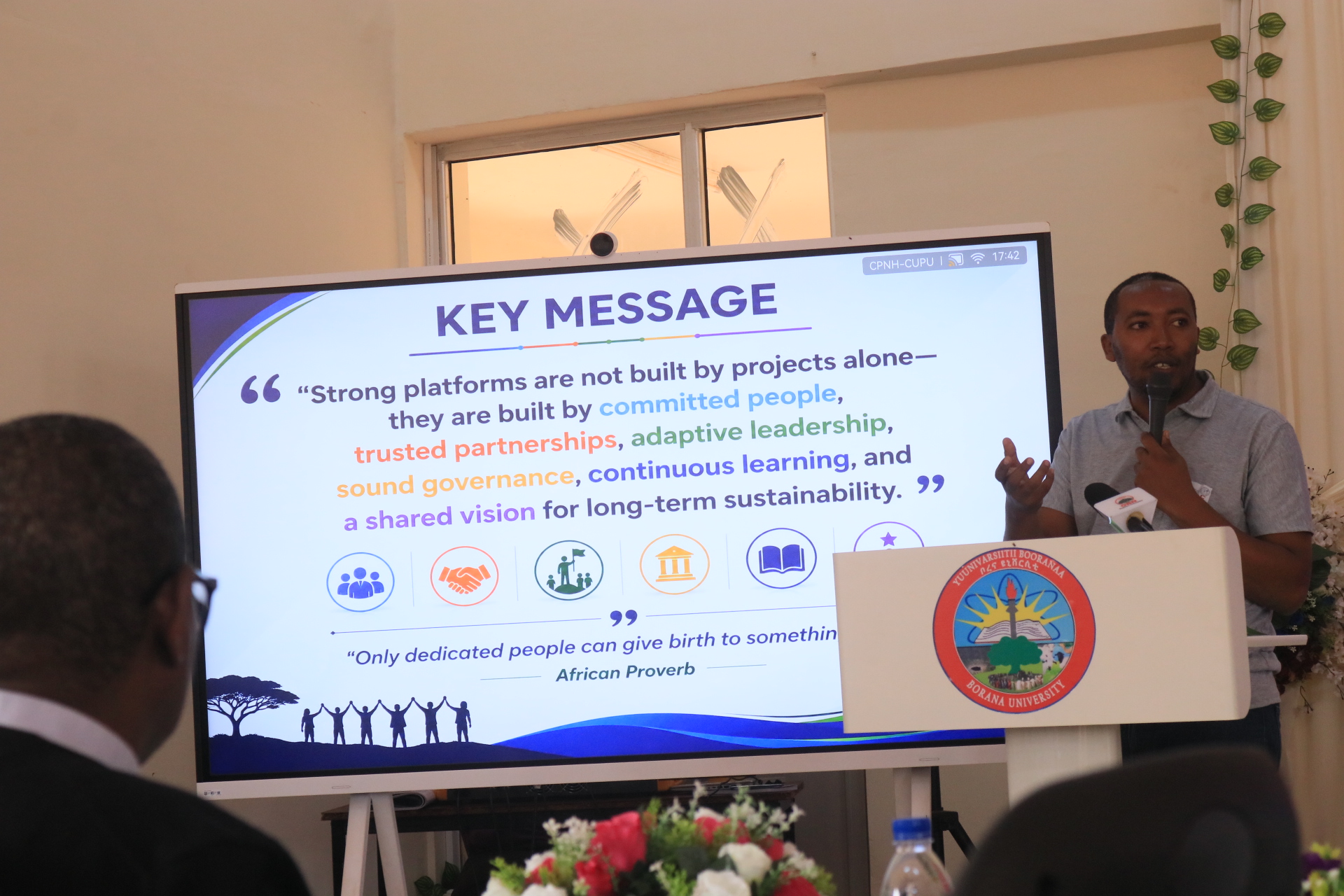
“Sustainable solutions to complex borderland challenges require continued collaboration among communities, government institutions, universities, research centers, and humanitarian and development organizations.”
The initiative was supported by Sign of Hope (Hoffnungszeichen) and financed by BMZ – the German Federal Ministry for Economic Cooperation and Development. Their support helped create a platform for research, learning, partnership building, and cross-border collaboration.
Workshop moments
Research becomes stronger when it is shared.